In a world where DIY projects can go hilariously wrong, home improvement marketing stands as the beacon of hope for homeowners and contractors alike. Picture this: a homeowner armed with a hammer and a Pinterest board, ready to transform their living room into a modern masterpiece. But without the right marketing strategy, that vision could quickly turn into a DIY disaster.
Overview of Home Improvement Marketing
Home improvement marketing focuses on promoting products and services related to home renovation, maintenance, and improvement. Various strategies help connect homeowners with contractors, ensuring projects are executed effectively. Targeted advertising, social media engagement, and content marketing play significant roles in reaching potential clients.
Digital platforms allow businesses to showcase their expertise through blog posts, how-to videos, and customer testimonials. Engaging content helps homeowners visualize project possibilities. Various online tools, such as home design apps, provide inspiration and seamless connections to service providers.
Search engine optimization (SEO) enhances visibility. Implementing targeted keywords improves search rankings, attracting more home improvement inquiries. Analytics tools can track engagement and conversion rates, allowing companies to refine their strategies for maximum effectiveness.
Networking events and community engagement also create valuable opportunities. These interactions build relationships within the industry, fostering trust among potential clients. By participating in local trade shows or sponsoring community events, businesses can strengthen their visibility and reputation.
Email marketing is another effective approach. Sending newsletters filled with tips, promotions, and updates can keep clients informed and interested. Personalization increases engagement and nurtures long-term relationships, encouraging repeat business.
Understanding the target market ensures that marketing efforts align with homeowner needs. Identifying demographics, preferences, and trends can inform product offerings, driving more effective campaigns. Educating consumers about the benefits of professional help versus DIY can influence their decision-making process.
Ultimately, combining different marketing strategies amplifies effectiveness. The synergy between digital marketing efforts, community engagement, and direct communication fosters trust and encourages homeowner investments in improvement projects.
Key Strategies for Effective Marketing
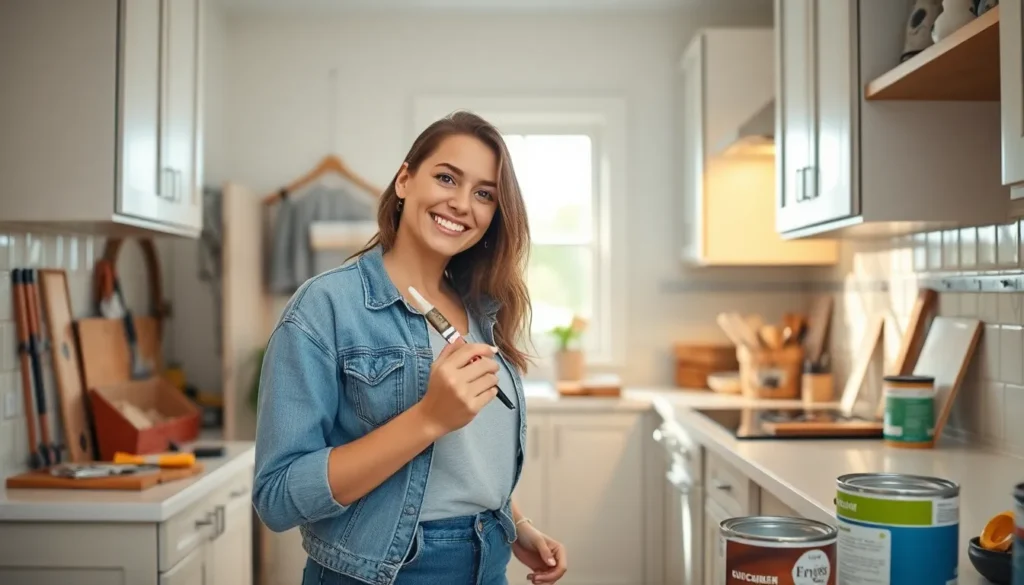
Effective home improvement marketing involves various strategies that connect homeowners with essential resources for their projects.
Content Marketing Techniques
Content marketing drives engagement by providing valuable information. Homeowners benefit from how-to guides, project inspiration, and maintenance tips. Blogs serve as platforms for sharing expert advice, building authority. Video tutorials can visualize complex processes, making them easier to understand. Infographics condense information, enhancing comprehension and shareability. Customer testimonials play a crucial role, showcasing real experiences to build credibility. Regularly updating content helps maintain relevance, attracting consistent traffic from search engines.
Social Media Engagement
Social media platforms offer unique opportunities to engage with potential customers. They allow businesses to showcase recent projects visually, driving interest. Interactive posts can increase user engagement, providing insights into homeowner preferences. Responding promptly to comments and messages fosters a sense of community, reinforcing brand loyalty. Hashtags enhance visibility, enabling broader audience reach. Hosting live Q&A sessions can address common concerns, demonstrating expertise. Targeted ads can specifically reach desired demographics, maximizing advertising efficiency.
Target Audience in Home Improvement
Targeting the right audience proves vital in home improvement marketing. Understanding specific customer segments allows businesses to tailor their strategies effectively.
Identifying Customer Demographics
Homeowners represent a diverse group. Age ranges from millennials looking to invest in starter homes to retirees seeking to downsize or remodel. Income plays a crucial role; higher income brackets typically lead to more significant spending on renovations. Geographic location also influences project types; urban homeowners may prefer modern aesthetics, while those in suburban areas might focus on family-friendly designs. Family size and lifestyle choices further shape interests; families with children often prioritize safety and functionality. This varied demographic landscape informs marketing approaches, enabling businesses to craft messages that resonate.
Understanding Customer Needs
Customer needs vary greatly within home improvement. Renovation goals differ; some seek to enhance aesthetics, while others may address maintenance issues. Budget constraints often dictate project scope, with many homeowners looking for cost-effective solutions. Convenience is another priority; customers appreciate services that minimize disruption to their daily lives. Sustainability increasingly influences decisions, as many homeowners prefer eco-friendly materials and energy-efficient options. By recognizing these needs, home improvement marketers can create targeted campaigns that speak directly to their audiences, fostering greater engagement and conversion rates.
Trends in Home Improvement Marketing
Marketing in the home improvement sector increasingly adapts to evolving consumer behaviors and preferences.
Digital Marketing Innovations
New tools revolutionize digital marketing in home improvement. Artificial intelligence enhances targeted advertising by analyzing user data. Video content engages consumers effectively while showcasing project transformations. Virtual reality enables homeowners to visualize potential renovations by simulating home environments. Data analytics help track customer interactions, making personalized marketing strategies more effective. Social media platforms facilitate community-building around projects, connecting homeowners with inspiration and expertise. Email marketing, enhanced by automation, ensures timely communication with clients.
Eco-Friendly Marketing Approaches
Sustainability shapes home improvement marketing strategies now more than ever. Eco-friendly messaging resonates with environmentally-conscious consumers. Highlighting sustainable materials appeals to clients looking for greener options. Promoting energy-efficient products demonstrates commitment to reducing environmental impact. Green certifications attract attention and add credibility for brands. Collaborating with local sustainable organizations boosts brand visibility and supports community initiatives. Engaging content regarding eco-friendly practices fosters loyalty among target audiences.
Effective home improvement marketing is vital for connecting homeowners with the right resources and expertise. By leveraging targeted advertising and engaging content strategies, businesses can build trust and encourage investment in improvement projects. Emphasizing sustainability and understanding customer needs are crucial in today’s market.
As trends evolve, adapting to new technologies and consumer behaviors will ensure continued success. By combining various marketing strategies, companies can enhance their visibility and credibility, ultimately fostering lasting relationships with clients. This holistic approach not only drives engagement but also positions businesses as leaders in the home improvement industry.